QuickBooks international launch
Coordinating a simultaneous multi-market launch across 180+ countries and 10+ international sites, and building the operating model that made it possible.
Coordinating a simultaneous multi-market launch across 180+ countries and 10+ international sites, and building the operating model that made it possible.
The short version: QuickBooks had never launched across all its international markets at the same time. Each geo had historically operated independently, which meant every market had developed its own web presence. This launch changed that. For the first time, all markets launched together, on the same timeline, with a unified web presence.
I served as the design point of contact for the international launch, responsible for how the design teams across Canada, the UK, and Australia would work together, deliver against an enormous asset list, and stay aligned across timezones, while also ensuring effective communication between design and the rest of the extended launch team.
The result: Successfully launched across 180+ countries and 10+ international sites, delivered on time, and established a repeatable operating model that continues to support future global launches.
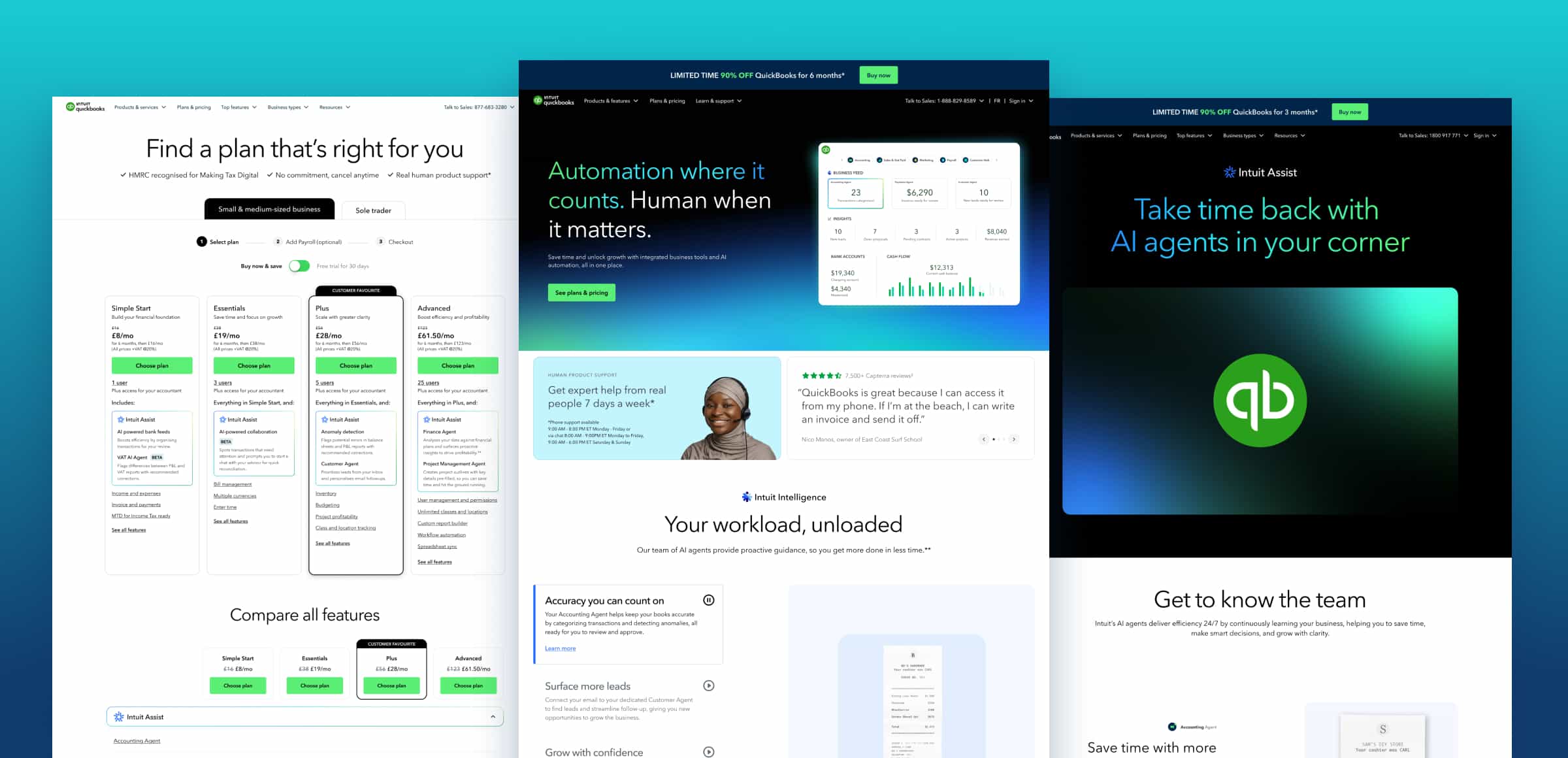
Before this launch, each international market operated on its own rhythm. There was collaboration, but it was typically reactive. If one geo found an approach that worked, other markets would eventually look to adopt it. The result was a web presence that varied significantly across regions, particularly on the highest-impact pages: home, pricing, and feature communication.
This launch was different. The goal was to bring all international markets, Canada, Latin America, the UK, Australia, and the smaller tier markets they each supported, to a coordinated, simultaneous go-live. It had not been attempted at this scale for QuickBooks before.
Several things made this launch genuinely difficult.
Establishing a new way of working. There was no internal playbook for a launch of this kind. The process had to be developed deliberately, in conjunction with the broader extended launch team, while the work was already underway. That meant getting alignment on how decisions would be made, how teams would communicate, and how the work would be divided, under real time pressure.
Timezone constraints across three continents. The design teams were distributed across Canada, the UK, and Australia. Finding windows where all three regions could work together in real time was structurally difficult. Relying entirely on async communication created too many parallel threads and too much risk of misalignment.
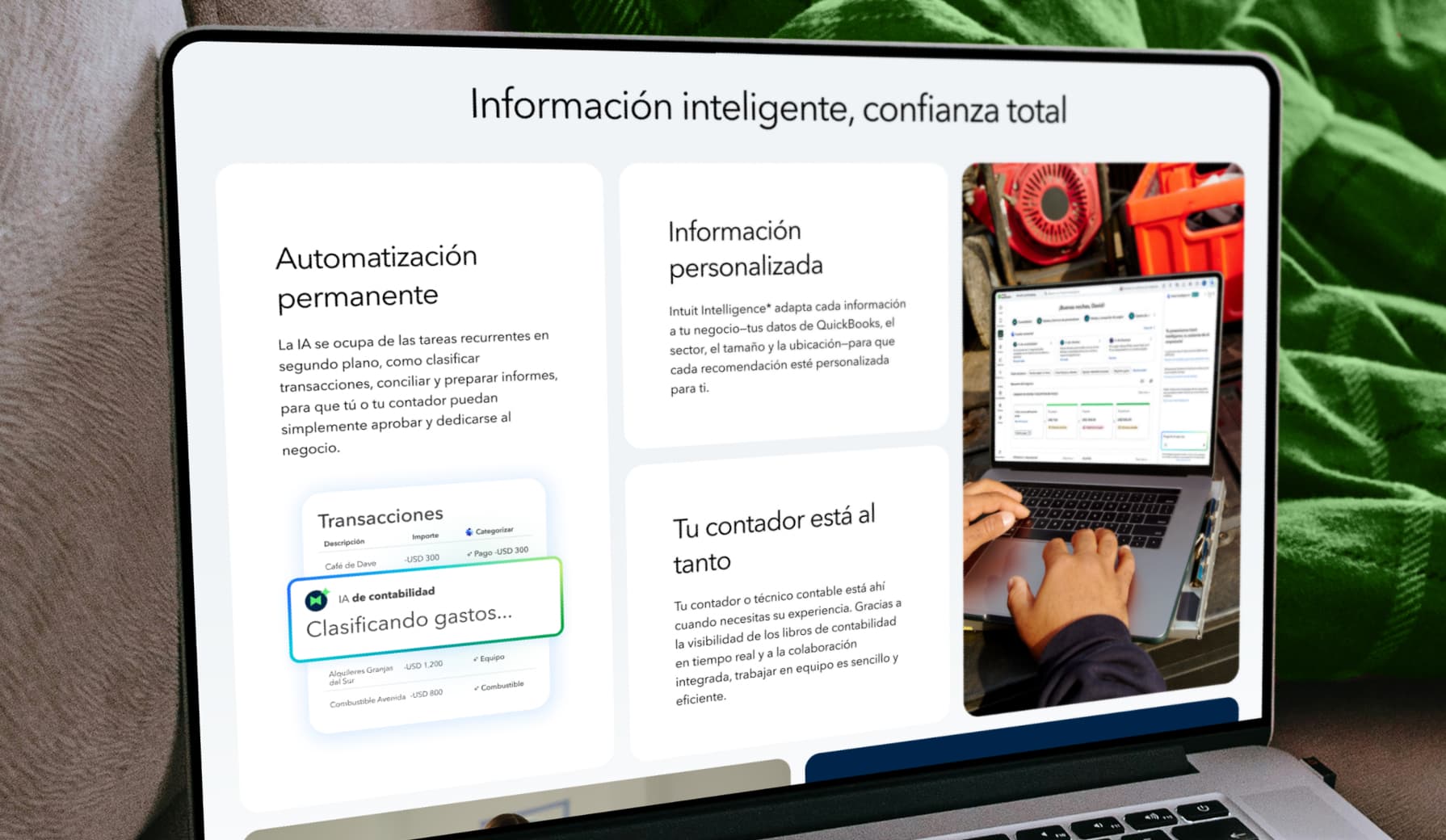
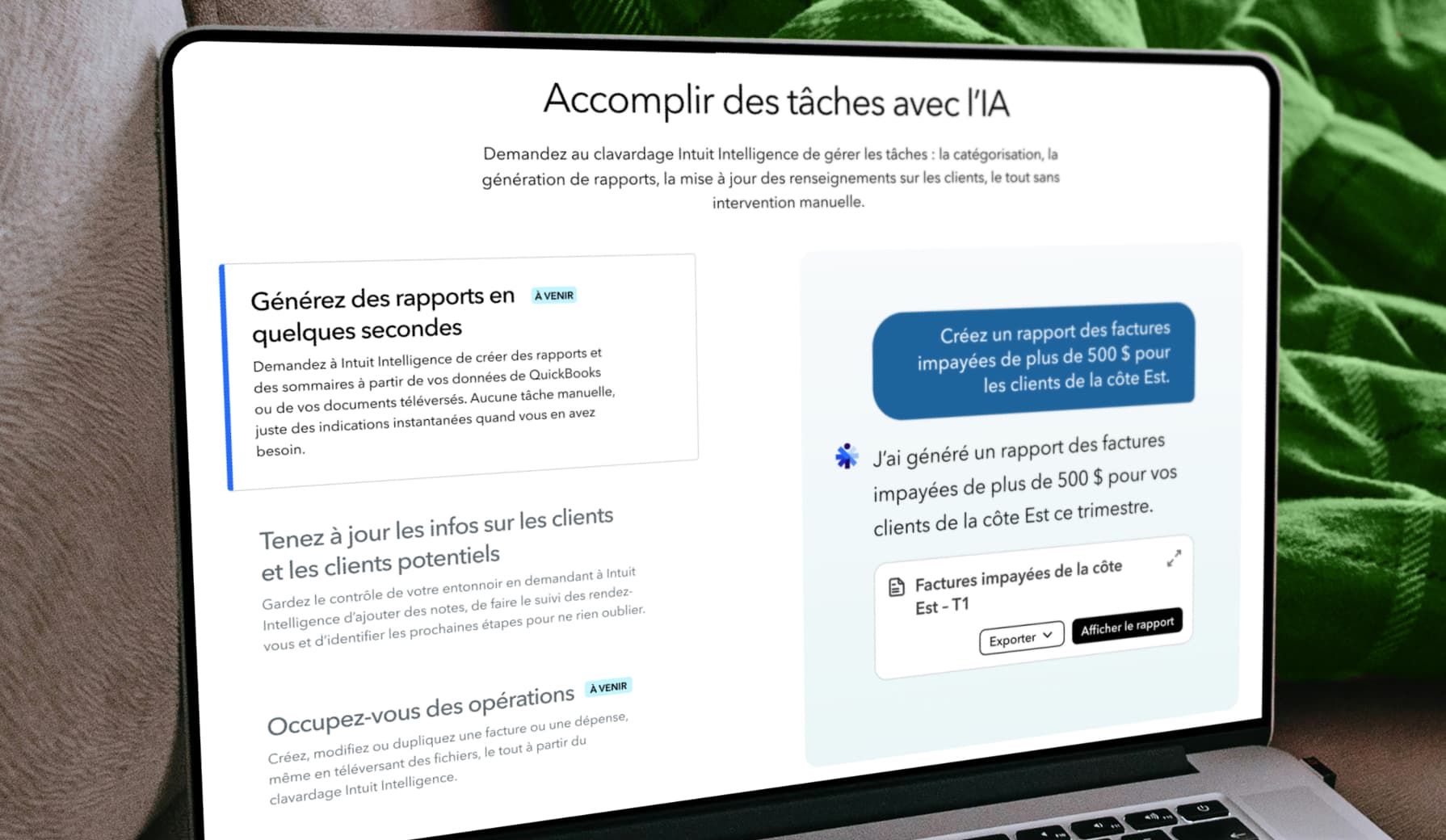
Product variation across markets. Two layers of product variation shaped the scope of the work. The first was the gap between the US and international markets. A major feature capability available in the US was not yet available internationally, which directly impacted how the product was marketed and required the international teams to develop their own approach rather than adapt from what the US had built. The second was variation between the international markets themselves. These differences were smaller, but they still affected available features and had a significant impact on work like product screen creation, which had to be produced separately for each geo. Both layers contributed to the volume of original work required across the team.
Legal and regulatory variance across regions. Each market operates under different advertising and communications laws. What could be said, how it could be said, and what had to be omitted varied by geo. The design teams needed to understand these constraints and ensure they were correctly applied across every deliverable.
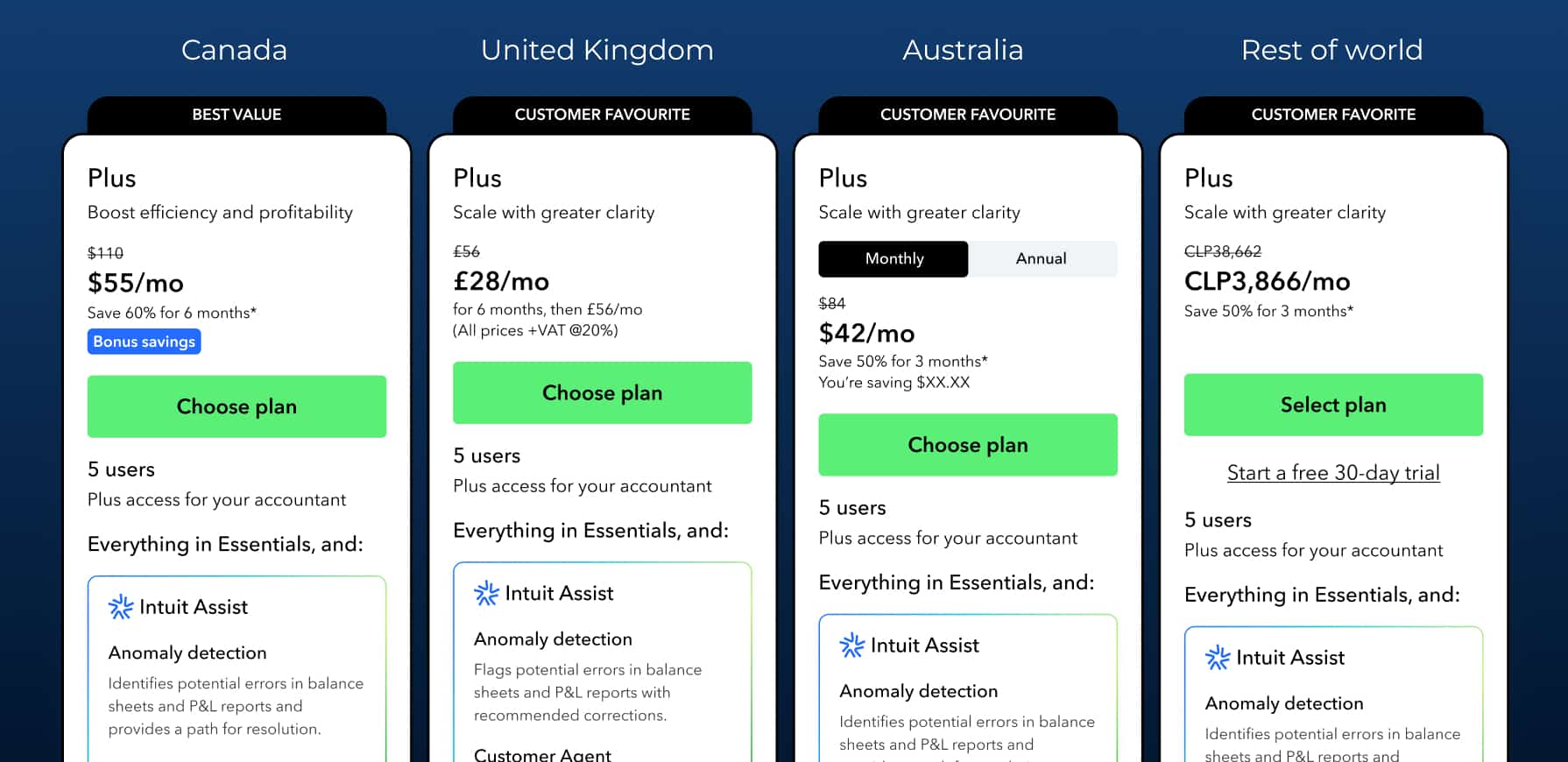
Establishing the design process. One of the first decisions was how the design work would be structured. Would one regional team take the lead and produce work for all geos, or would each regional team handle their own market with coordination to stay aligned? The answer was a hybrid approach built around an 80/20 localization framework: 80% of the work was handled at the international level to ensure consistency, with 20% managed locally to address regional differences. Canada anchored the home and pricing pages across all geos, the AU team owned the product screen workstream, which was foundational to getting everything else done, and each regional team handled the work specific to their market.
Prioritizing the asset list. The full list of deliverables was larger than the combined teams could realistically produce in the available time. One of the most important early decisions was determining what had to be done, what could wait, and who would own what. Getting that alignment early was the decision that made everything else possible.
Building visibility into the work. With teams dispersed across timezones and a large volume of assets in motion, I put together a status matrix as part of a broader set of tools, including dedicated Slack channels and linked resource canvases, that gave everyone on the team a clear view of what was being worked on, who owned it, and where it stood. This collection of tools supported the formal status check-ins and created a shared foundation for a coordinated, collaborative effort.
Solving the timezone problem. Async communication was used where appropriate, but with clear limits. Too much async created too many parallel threads and too much risk of things falling through. For the larger team syncs, meeting times were alternated across timezones, with Canada typically serving as the anchor region attending both windows. Recaps were provided for teams that could not attend. The same approach was applied to the dedicated design team syncs, with written summaries distributed after each session.
Legal and regulatory coordination. Legal review was managed primarily through the marketing teams, but the design teams engaged directly to understand what changes were required and why, and to ensure those changes were correctly applied across every deliverable.
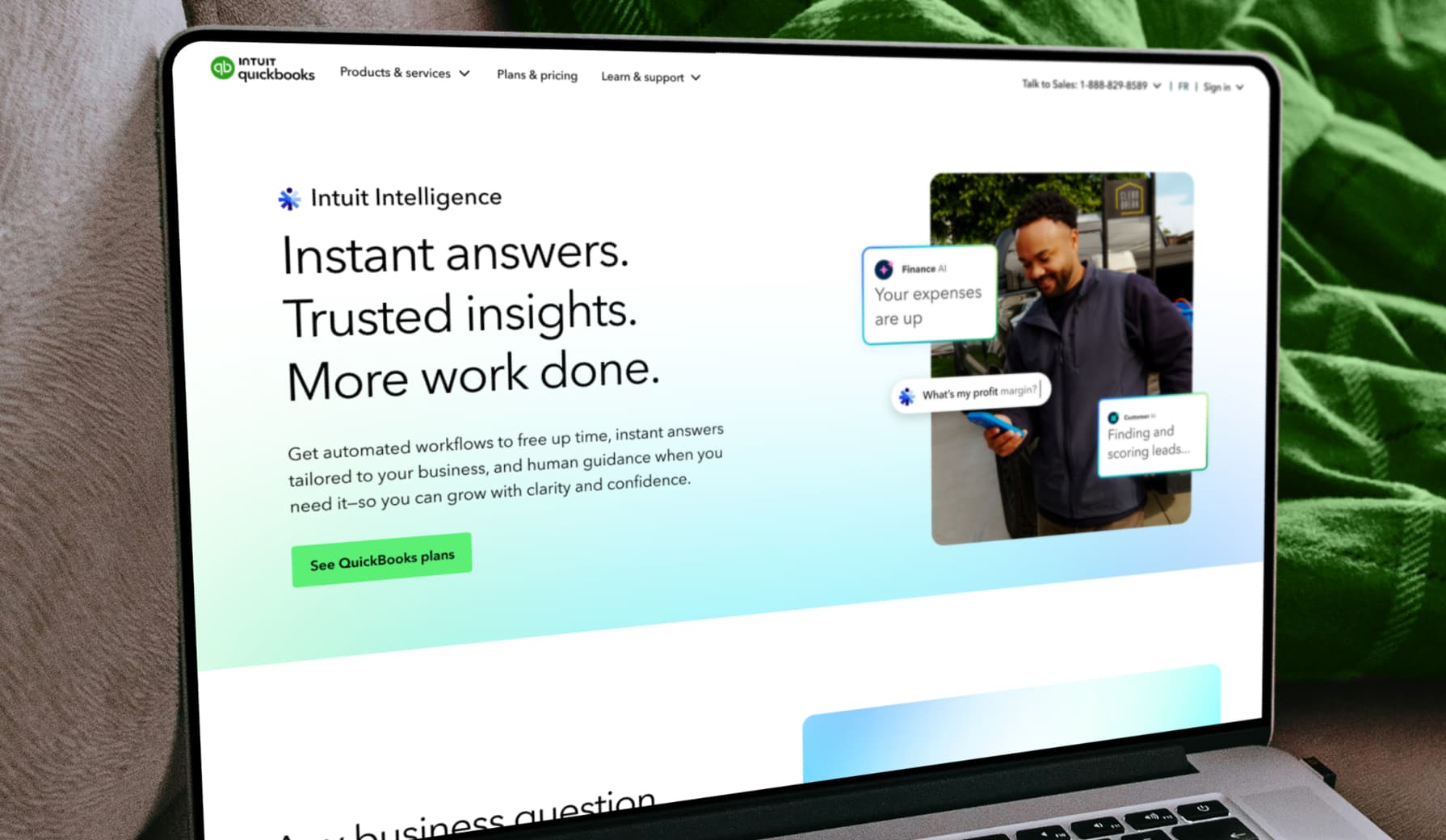
The primary outputs of the launch were:
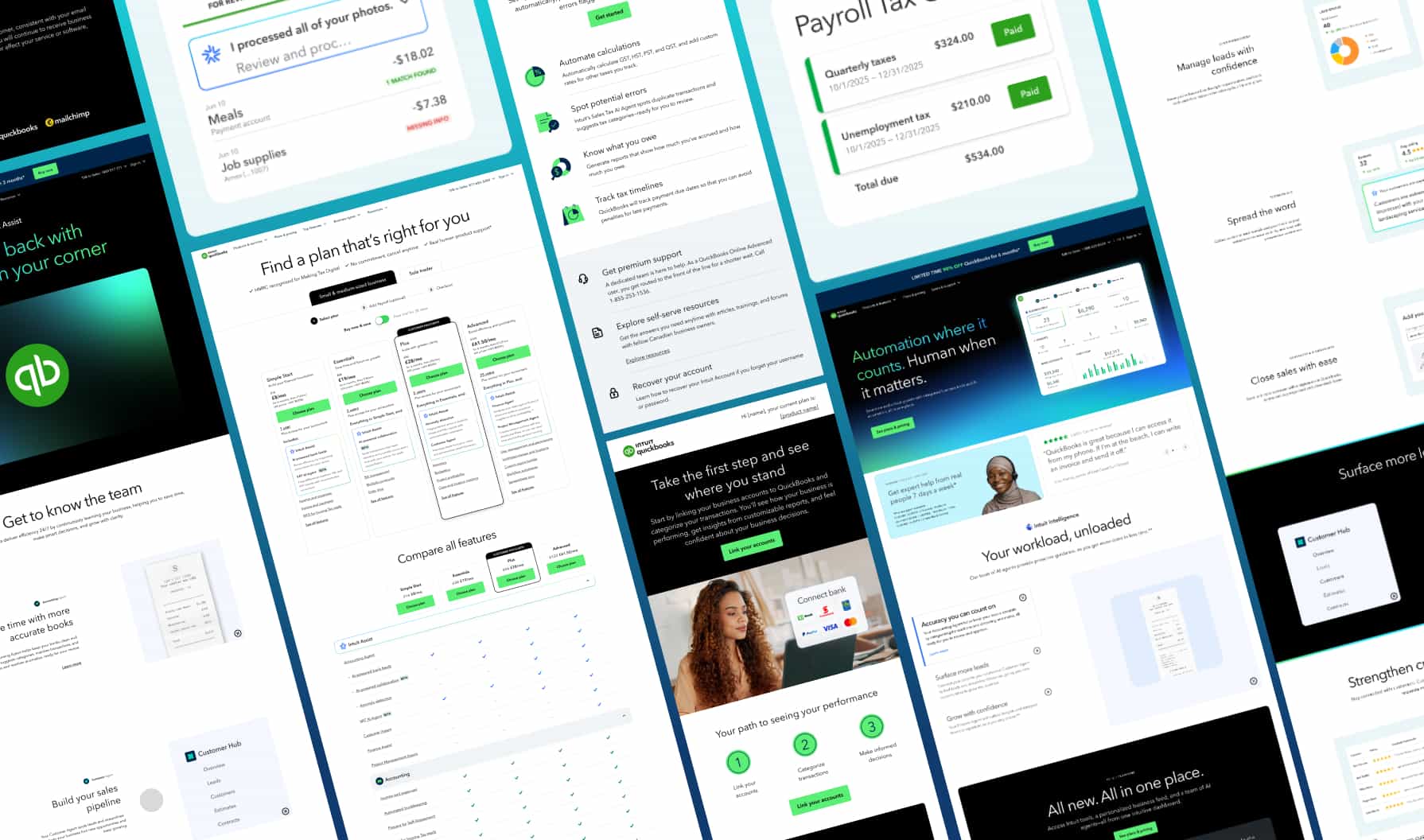
The launch went live on time across all markets, a meaningful achievement given that platform, pricing, and design system changes were all happening concurrently.
It was the largest coordinated launch QuickBooks international design and marketing teams had ever executed across 180+ countries and 10+ international sites. For the first time, all markets had a unified web presence, a coherence across home pages, pricing, and feature communication that had not existed before.
The shared component library reduced future experiment build effort by approximately 30%, enabling faster scaling of successful customer experiences across international markets.
The operating model built for this launch became the foundation for the quarterly release cadence and subsequent major launches, including the Intuit Accountant Suite launch that followed. It was not simply replicated. The team learned from this first effort and refined how they worked. But the structure, the tools, and the ways of working were carried forward and continue to support future global product launches.
Two things stand out looking back at this launch.
The first is the value of the right tools in the right places. No single tool made the difference. What made the difference was having a coherent set of resources, the status matrix, dedicated channels, linked canvases, regular syncs, and written recaps, that gave a distributed team a shared foundation to work from. That infrastructure reduced ambiguity and created the conditions for the work to move.
The second is the importance of prioritization under constraint. When the asset list is too large and the time is too short, the most important decision is not how to work faster. It is what to work on. Getting alignment on that early, and being willing to make hard calls about what would not be done, was what made the rest possible.